KRA TAX COMPLIANCE AND CIVIC EDUCATION TRAINING PROGRAM FOR UEAB STUDENTS
Introduction
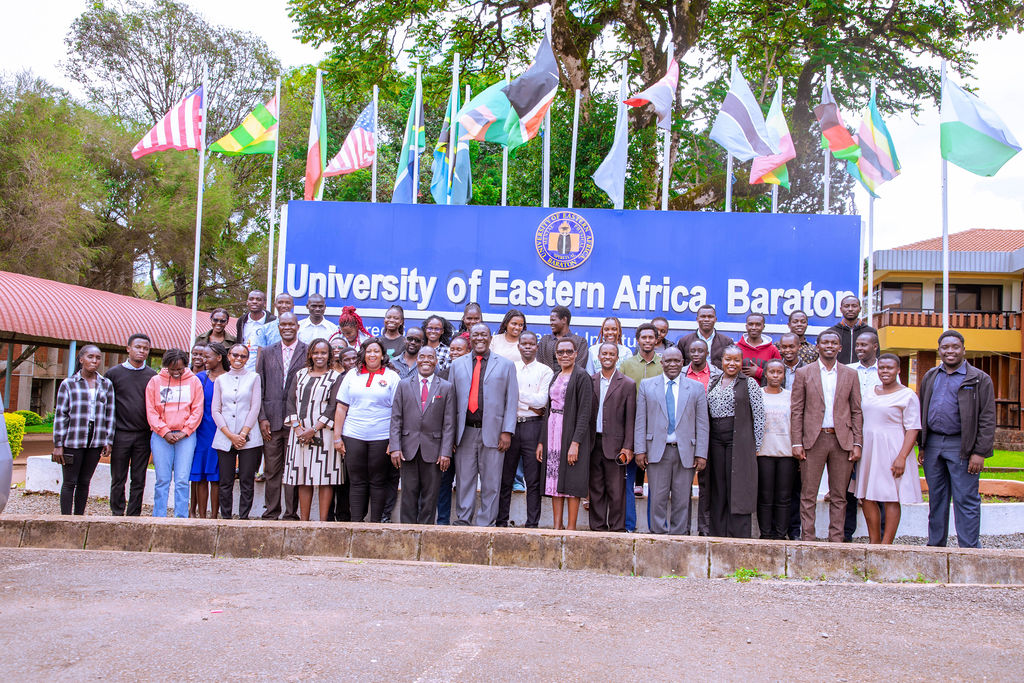
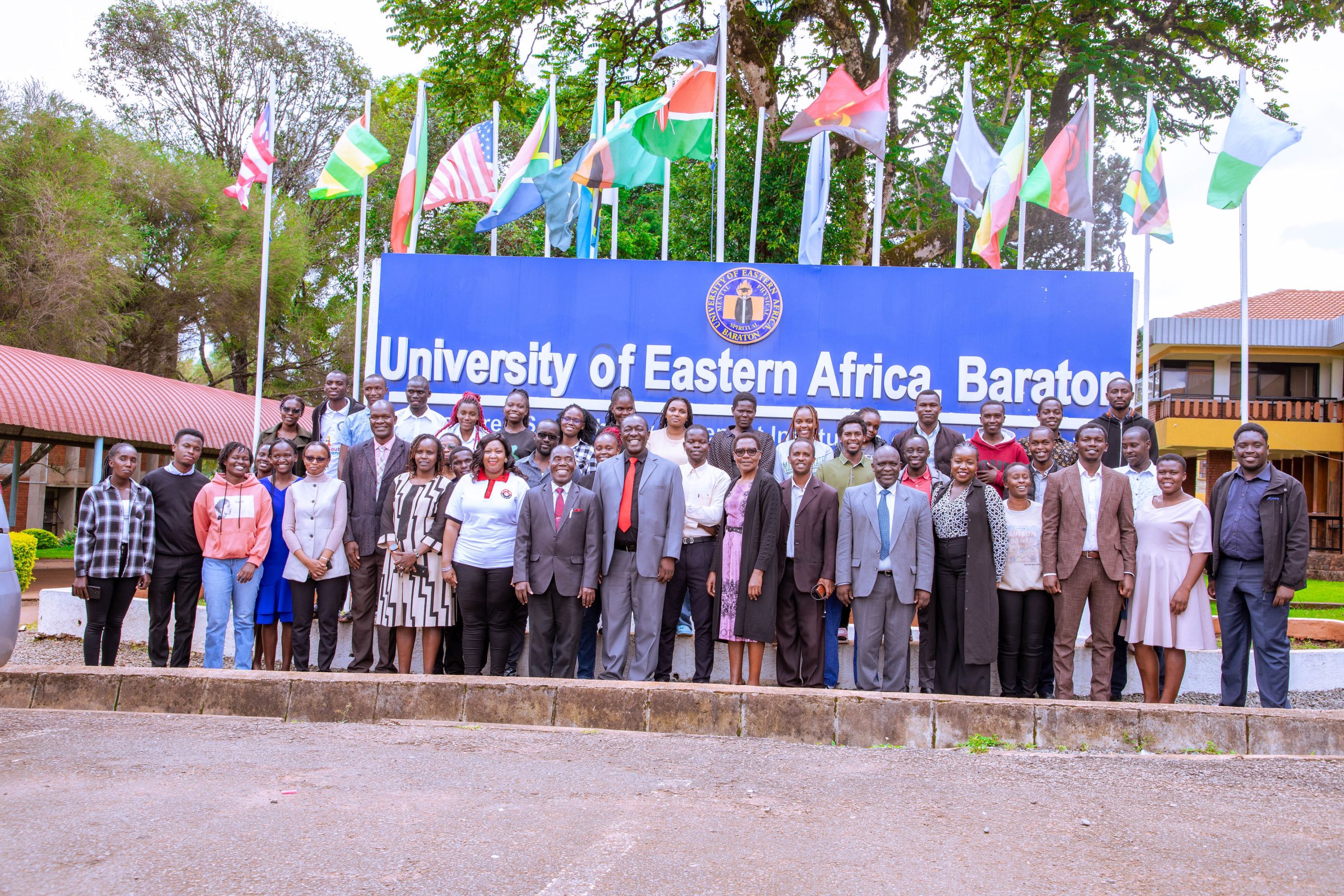
The University of Eastern Africa, Baraton (UEAB) hosted a comprehensive tax compliance and civic education training program conducted by officials from the Kenya Revenue Authority (KRA) headquarters in Nairobi. The training brought together students from various academic disciplines with the objective of enhancing tax awareness, promoting voluntary compliance, and equipping young people with practical knowledge on taxation and their civic responsibilities as future professionals, entrepreneurs, and citizens.
The program was made possible through the generous support and commitment of the sponsoring organization, KRA officials, the university administration, and all stakeholders who worked tirelessly to ensure its success. The training served as an important platform for bridging the gap between theoretical classroom learning and practical tax administration procedures in Kenya.
Areas Covered During the Training
Throughout the training sessions, participants were taken through several key areas relating to tax compliance and revenue administration. These included:
Benefits Acquired from the Training
As a participant and student leader, I greatly benefited from the training both personally and professionally. The program enhanced my understanding of tax laws, filing procedures, and the importance of tax compliance in Kenya’s economic development.
Before the training, many students viewed taxation as a complex subject reserved for accountants and business owners. However, the KRA officials simplified the concepts and demonstrated that every Kenyan citizen has a role to play in supporting national development through responsible tax practices.
The practical demonstrations on the iTax system equipped me with hands-on skills in filing nil returns, understanding withholding tax, and managing tax obligations effectively. These are skills that will remain valuable throughout my career and entrepreneurial journey.
Impact on Society
The knowledge acquired during this training will have a significant positive impact on society. As students, we are ambassadors of information within our communities. We are now better positioned to educate fellow students, family members, and community members on the importance of tax compliance and the procedures involved in fulfilling tax obligations.
The training contributes to:
By empowering students with practical tax knowledge, KRA is investing in a generation that understands its role in nation-building and economic growth.
Appreciation
On behalf of all participating students from the University of Eastern Africa, Baraton, I wish to express our sincere gratitude to the Kenya Revenue Authority officials from Nairobi for their dedication, professionalism, and willingness to share their expertise with us.
We also extend our heartfelt appreciation to the program sponsors whose financial and logistical support made the training possible. Their investment in youth empowerment and education has created a lasting impact that will benefit students, communities, and the nation at large.
Special thanks go to the UEAB administration, faculty members, student leadership, organizers, and all stakeholders who coordinated and facilitated the successful implementation of the program.
Conclusion
The KRA Tax Compliance and Civic Education Training Program was a highly informative and transformative initiative. It equipped students with practical taxation skills, strengthened our understanding of civic responsibility, and inspired us to become compliant and informed citizens. The knowledge gained will continue to benefit us individually and collectively as we contribute to the economic development of Kenya.
The success of this program demonstrates the value of collaboration between educational institutions, government agencies, sponsors, and students in preparing young people for responsible participation in society and the workplace.
Submitted by:
Otieno Stephen
FACTS CLUB President
University of Eastern Africa, Baraton (UEAB)
Date: 04th June,2026