
The Chair of the University Council spent two days visiting the University’s entities and meeting the people who run them, to understand their challenges and plans for improvement.
The Chair of the University Council, Dr Joel Okindo, recently carried out a two-day working visit across the University’s facilities and enterprises. The visit gave the Chair a first-hand look at operations on campus and at the University’s income-generating projects beyond it. At each stop, the Chair asked management to describe the challenges they face and how they plan to improve their facilities.
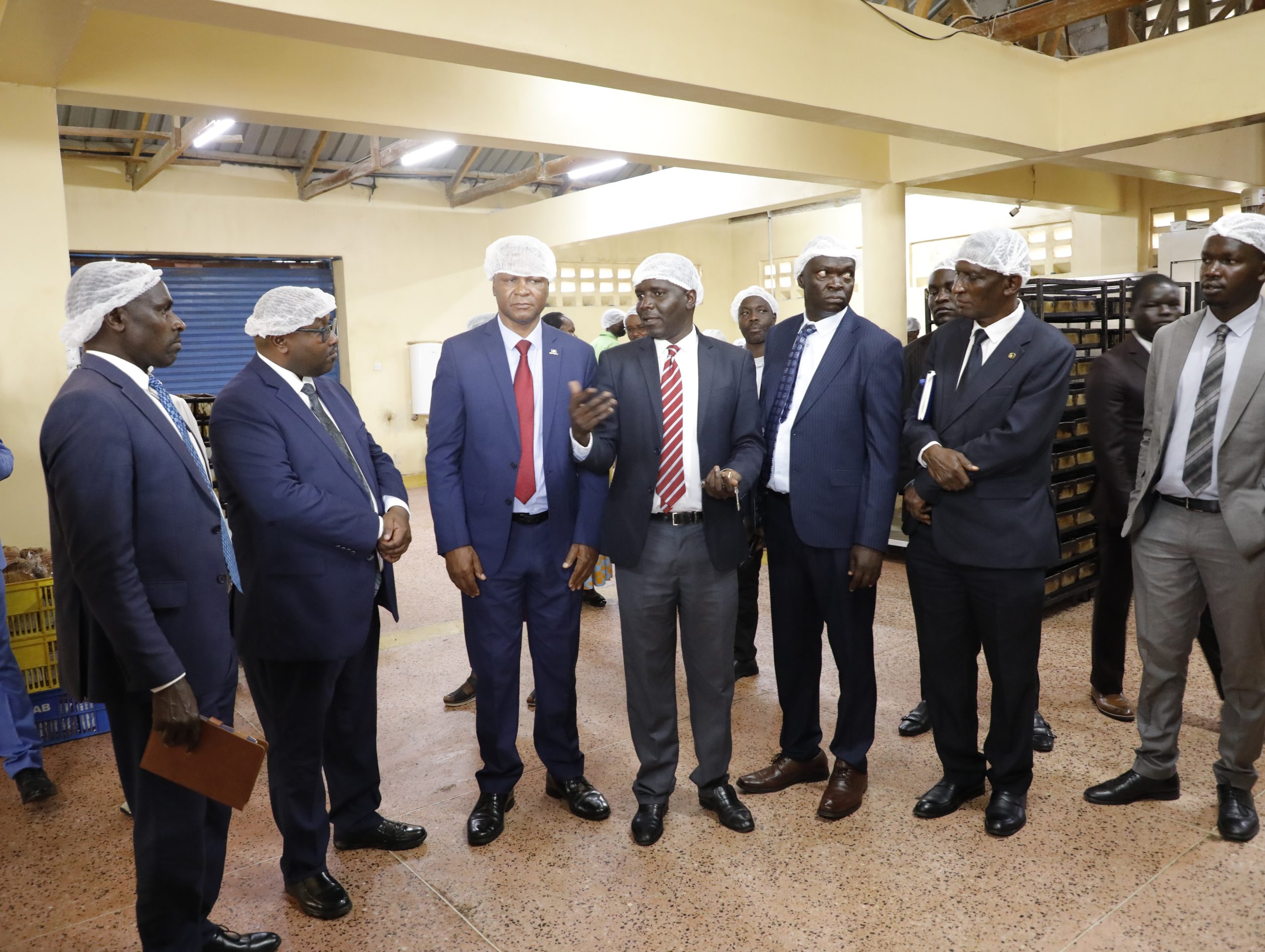
The tour began at the University Bakery, where the Chair was taken through the production process and the issues affecting daily operations. The Chair then visited the University Church, followed by Jeremic Hospital, where management shared the needs of the facility and its plans to improve patient care.
At the bakery, the Chair advised the industries chair, Japheth Kirwa, to increase production and widen the product range, with items such as cornflakes and other natural products that help promote the Adventist health message. At the church, leaders shared their plans to improve the church digitally and to repaint the building.
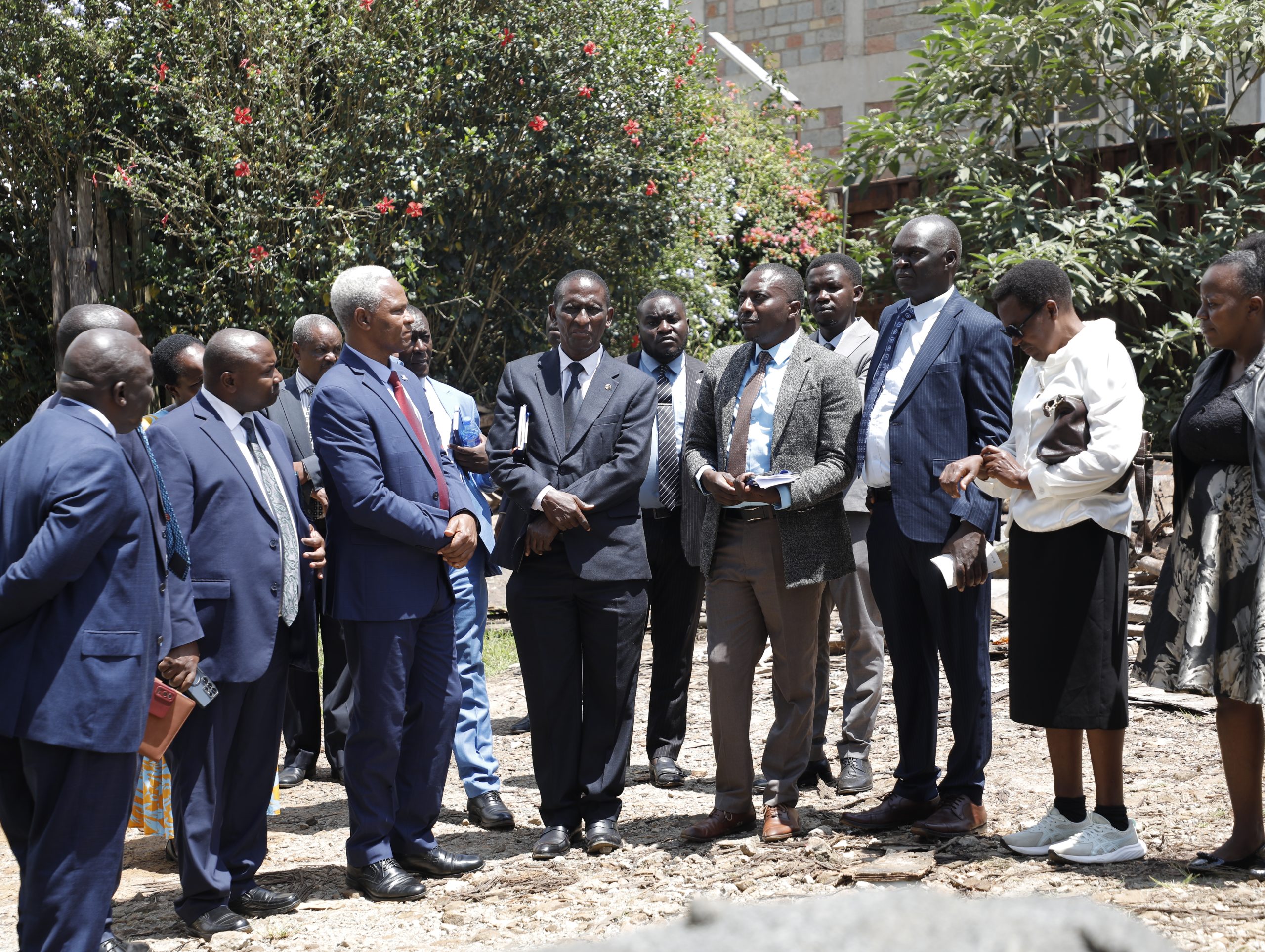
The Chair then toured the new University gate, where the cabro paving project is still ongoing, and the nursing building, which is yet to be completed. Both visits focused on progress to date and what it will take to bring the projects to completion.
The team then visited the University Dairy Farm and the male hostel, before moving on to the University Library. At the Ellen G. White Estate and AWR Baraton FM, the Chair learned about the work of both units and the resources they need to serve their audiences better. The tour continued to the ladies’ hostels, the Science Building, and finally the Nutrition and Dietetics department.
At the library, the librarian was challenged to bring the facility up to the level of our sister institution, the Adventist University of Africa. She also took the team through the law library section. At the ladies’ hostels, management shared plans to improve the boarding facilities, and the guests were then taken to the site of the planned modern student accommodation.
At every facility, the Chair listened to the heads of department, discussed the obstacles they face, and asked for their plans to improve their areas.
Dr Okindo was keen to see each entity improve at class level. He asked departments about their current student intake, the enrolment target for the end of the academic year, and the figure they should aim for in the new intake.
Farm management also shared an approximate target of about KSh 8 million for the financial year. University management was challenged to find ways of making sure all its assets are well utilised.
The Chair then visited the dairy section and one of the University’s residential properties. The tour ended at the Better Health Restaurant, also owned by the University.
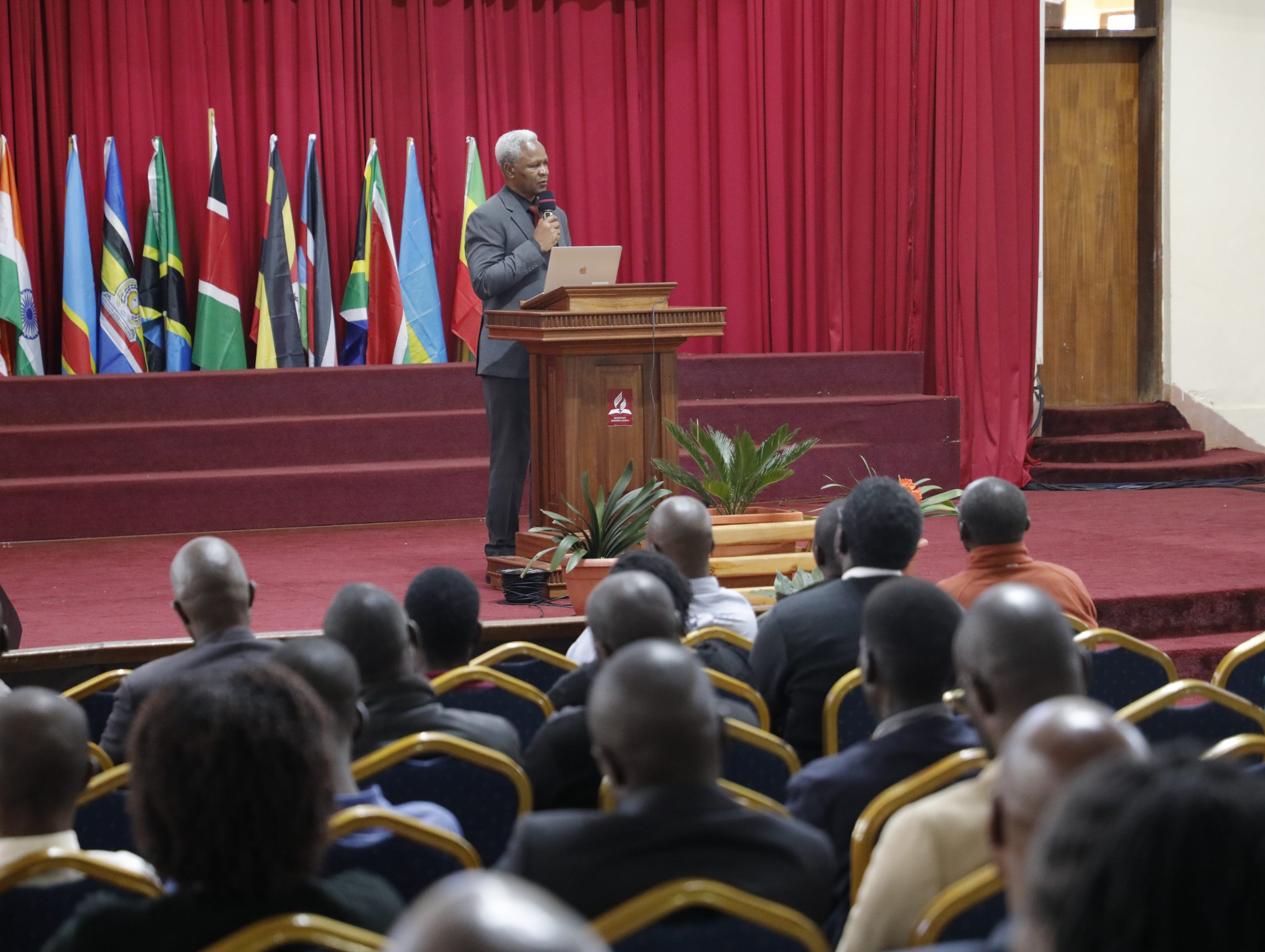
In the afternoon, the Chair held an engagement with the University staff from 2:00 to 3:00 pm. Later, the Chair met the student leaders, who also presented the areas on campus that need improvement.
The visit showed a Council keen to understand the University’s operations at the ground level. The concerns raised by departments, staff and students will inform the Council’s decisions on how to strengthen services, complete ongoing projects and grow the University’s enterprises.